Full Body Workout Guide: Everything You Need to Build Strength and Burn Fat
If you’re trying to build strength and burn fat but can only train a few times per week, a full body workout might be exactly what you need. These workouts engage multiple muscle groups in a single session, making them one of the most efficient ways to build strength and muscle, even if you can only train 2 or 3 times per week. From my experience, full body exercises saved me hours in the gym while delivering better results than my old split routine. In fact, they’re designed to stimulate your entire body, offering a time-efficient approach that fits any schedule. In this guide, you’ll discover what makes full body workouts so effective, the best exercises to include, proven workout routines for every level, and common mistakes to avoid.
Table of Contents
What Is a Full Body Workout?
A full body workout targets all major muscle groups in a single training session. Rather than focusing on just your chest or legs during one workout, you engage your upper body, lower body, and core together. This approach differs from traditional bodybuilding methods that became popular in the 1970s and beyond, though full body training was actually the preferred method during the Bronze Era of bodybuilding and remained common through the 1950s and 1960s.
How Full Body Workouts Target Multiple Muscle Groups
Full body workouts rely heavily on compound exercises that work multiple joints and muscle groups simultaneously. When you perform a squat, for instance, you engage your hamstrings, quadriceps, glutes, back, and abdominals all at once. This multi-joint approach means you can stimulate your entire body using just a handful of exercises per session.
The workout structure typically follows fundamental movement patterns: squatting, lunging, bending, pushing, pulling, and core work. By organizing your session around these patterns rather than isolated muscles, you train your body as an integrated system. This creates more natural movement that closely imitates real functional daily activities.
Full Body vs Split Workouts: Which Is Right for You?
Split workouts separate muscle groups across different days, such as training chest and back one day, then legs and core the next. Research shows that both approaches produce similar strength gains and muscle growth when training volume is equalized. In one study, subjects following a split routine and those doing full body workouts experienced comparable maximal strength gains and hypertrophic adaptations over eight weeks.
The choice comes down to your schedule and preferences. Full body workouts require just 2-3 sessions per week, making them ideal if you have limited gym time. Split routines typically need 4-6 days of training to hit all muscle groups adequately.
Why Full Body Workouts Work for All Fitness Levels
Beginners benefit from training movement patterns multiple times per week, which develops motor control through increased time under tension. You recover quickly at this stage, allowing frequent practice of the same movements.
Advanced lifters can also use full body routines effectively, though they may need to manage training volume carefully to avoid excessively long sessions.
Benefits of Full Body Workouts
The advantages of full body workouts extend far beyond just convenience. Research reveals some compelling reasons why this training style delivers results that might surprise you.
Build Strength and Muscle Efficiently
When volume is equated between routines, both full body and split approaches produce comparable strength gains and muscle growth. Studies show nearly identical improvements in bench press strength (17.5% to 18.1%) and squat strength (28.2% to 28.6%) regardless of which method you choose. What sets full body training apart is the frequency. You stimulate each muscle group multiple times per week, providing more growth signals throughout the year compared to training each muscle just once weekly.
Burn More Calories and Fat
Full body workouts prove superior for fat loss. Research involving well-trained males found that full body training elicited significantly greater fat mass losses compared to split routines (a loss of 0.775 kg versus a gain of 0.317 kg over eight weeks). The same study showed greater reductions in upper-limb, lower-limb, and gynoid fat mass.
Compound movements that engage multiple muscle groups require more oxygen, which translates to higher energy expenditure. Your metabolism stays elevated for up to 38 hours post-workout due to the EPOC effect. Similarly, weightlifting sessions can torch 200 to 600 calories per hour depending on intensity and exercise selection.
Save Time with Fewer Weekly Sessions
You can achieve complete muscle stimulation training just three days per week. This schedule provides exactly 48 hours of recovery between sessions, aligning perfectly with muscle protein synthesis windows. In particular, this approach feels more sustainable than dragging yourself to the gym five or six days weekly.
Improve Overall Fitness and Cardiovascular Health
Full body circuits elevate your heart rate throughout the session, delivering cardiovascular benefits alongside strength gains. Regular resistance training reduces resting heart rate, lowers blood pressure, and improves cholesterol levels. Exercise triggers changes in blood vessels and metabolism that prevent or improve major heart disease risk factors.
Best Full Body Exercises to Include in Your Routine
Selecting the right exercises determines whether your full body workout delivers results or wastes time. Since compound movements recruit multiple muscle groups simultaneously, they form the foundation of any effective routine.
Compound Exercises for Maximum Results
Compound exercises require multi-joint movements that stimulate more muscles and burn more calories. The deadlift builds your entire posterior chain, while squats develop quads, hamstrings, glutes, and calves. Rows create back density and the coveted V-taper, whereas bench presses target chest, shoulders, and triceps. Overhead presses round out shoulder development while demanding core stability.
Best Full Body Dumbbell Exercises
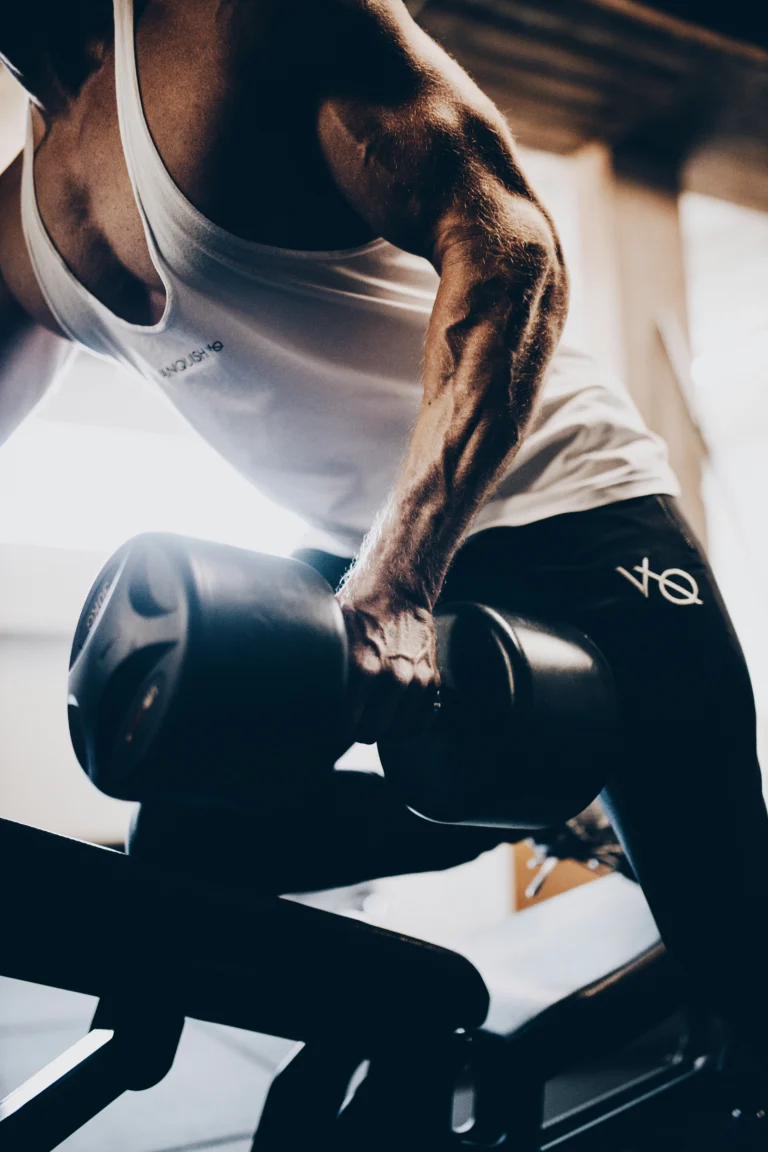
Dumbbells offer greater range of motion than barbells and help correct muscle imbalances. The front squat challenges lower-body strength while the Arnold press improves overhead pressing ability. Alternating bent-over rows target one side at a time, helping identify weaknesses. Devil’s press works chest, shoulders, triceps, back, core, and legs in one powerful movement.
Best Full Body Kettlebell Exercises
Kettlebell swings hammer your glutes, hamstrings, core, and shoulders. The Turkish get-up moves you from floor to standing, training strength, mobility, and body control. Clean and press combines explosive lower body power with upper body strength.
Bodyweight Full Body Exercises for Home Workouts
Burpees combine squats, push-ups, and jumps into one calorie-torching exercise. Push-ups remain fundamental for chest, shoulders, and triceps development. Lunges build unilateral strength and balance.
Full Body Workout Machine Options
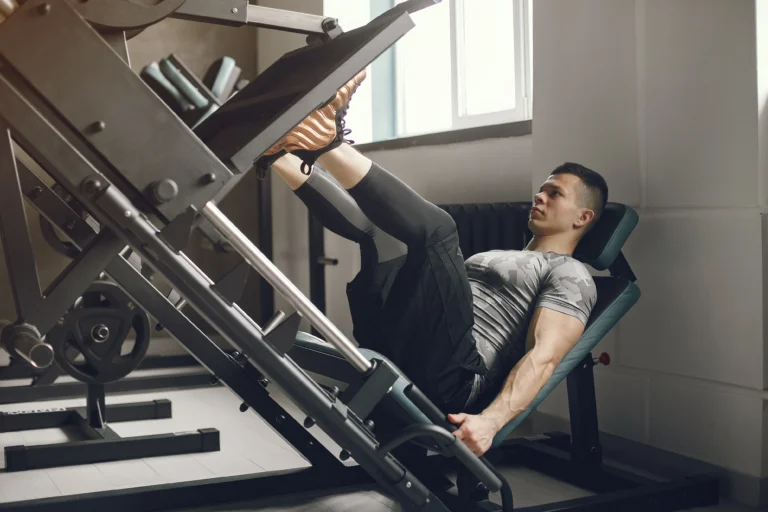
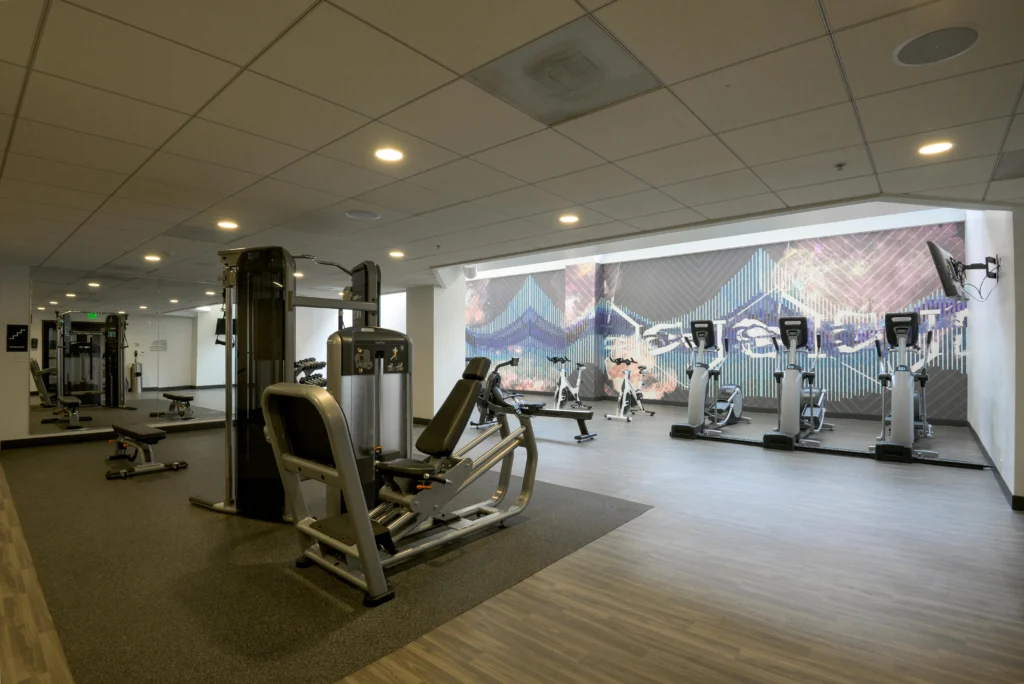
Rowing machines engage shoulders, biceps, triceps, chest, back, abdominals, glutes, hamstrings, quads, and calves. Leg press, lat pulldown, and chest press machines guide movement patterns while you learn proper form.
Full Body Workout Routines for Different Levels
Your routine should match your experience level to maximize results and prevent injury. A 3-day split works for most people, training on non-consecutive days like Monday, Wednesday, and Friday.
Beginner Full Body Workout Plan (3 Days Per Week)
Start with an A/B workout structure where Week 1 follows A-B-A and Week 2 follows B-A-B. Workout A includes barbell squats (3 sets of 5-8 reps), incline dumbbell press (3 sets of 8-12 reps), bent-over barbell rows (3 sets of 8-12 reps), overhead dumbbell press (3 sets of 8-12 reps), Romanian deadlifts (3 sets of 10-15 reps), and planks (3 sets, 30-60 seconds). Workout B features deadlifts (3 sets of 3-5 reps), barbell bench press (3 sets of 5-8 reps), lat pulldowns or pull-ups (3 sets of 8-12 reps), leg press or goblet squats (3 sets of 10-15 reps), dumbbell bicep curls (3 sets of 10-15 reps), overhead triceps extensions (3 sets of 10-15 reps), and standing calf raises (3 sets of 15-20 reps).
Your top priority is mastering proper form with light weights. This builds crucial mind-muscle connection and prevents injury while allowing rapid initial strength gains.
Intermediate Full Body Workout Routine
After several months, add more exercises per session. Workout A combines front squats (2 sets of 8-12 reps), reverse grip lat pulldowns (2 sets of 8-12 reps), walking lunges (2 sets of 10 each leg), incline dumbbell press (2 sets of 8-12 reps), hip thrusts (2 sets of 8-12 reps), dumbbell lateral raises (2 sets of 12-15 reps), standing calf raises (2 sets of 8-12 reps), EZ bar curls (2 sets of 12-15 reps), V-ups (2 sets of 20), and cable pushdowns (2 sets of 12-15 reps).
Workout B includes deadlifts (2 sets of 8-10 reps), cable rows (2 sets of 8-12 reps), leg press (2 sets of 10-12 reps), Arnold press (2 sets of 8-12 reps), good mornings (2 sets of 8-12 reps), straight arm lat pulldowns (2 sets of 8-12 reps), lateral banded walks (2 sets of 10 each leg), preacher curls (2 sets of 12-15 reps), elbow planks (2 sets, 60-second hold), and skull crushers (2 sets of 8-12 reps).
Advanced Full Body Workout Program
Advanced routines incorporate heavier loads with compound lifts, superset or tri-set structures, unilateral work, tempo control, and mobility integration. Day 1 focuses on strength and power with barbell squats (4 sets of 5), weighted pull-ups (4 sets of 6-8), standing overhead press (3 sets of 6), barbell hip thrusts (3 sets of 8), and hanging leg raises (3 sets of 12).
Day 2 emphasizes volume and control through Romanian deadlifts (4 sets of 8), incline dumbbell bench press (4 sets of 10), Bulgarian split squats (3 sets of 10 each leg), chest-supported rows (4 sets of 10), and tempo push-ups (3 sets to failure). Day 3 targets conditioning and core with kettlebell swings (4 rounds of 20), thrusters (4 rounds of 10), renegade rows (4 sets of 12), jump lunges (3 sets of 20 total), and planks with reach (3 sets of 30 seconds per side).
Full Body Workout for Women: Key Considerations
Women benefit from training each muscle group at least 4 times per week when targeting specific areas like glutes. A 4-day routine allows primary full body workouts with optional glute isolation, core, or arm work afterward. Rest periods should range from 45-90 seconds for compound movements and 30 seconds for isolation exercises.
Three well-structured sessions per week prove sufficient for most women to see results. You can progress by increasing weights, improving form, or adjusting intensity without adding extra days.
How to Progress and Track Your Results
Progressive overload drives all strength gains. Add 5 pounds when you can complete at least five more repetitions on your last set. Alternatively, increase reps, add sets, or reduce rest time between exercises.
Track workouts in a notebook or app, recording exercises, sets, reps, and weights used. This accountability keeps you honest and motivated. Measure yourself once a week at the same time under identical conditions. Focus on skeletal muscle mass, body-fat percentage, and visceral fat rather than just scale weight. Take front and side progress pictures monthly. Performance improvements like adding reps or lifting heavier weights prove progress even when the scale doesn’t budge.
Common Mistakes and How to Avoid Them
Even the best full body workout plan fails when you make these critical errors. From my early training days, I learned these lessons the hard way.
Skipping Proper Form for Heavy Weights
Attempting to lift more weight than you can safely handle increases injury risk significantly. Poor form combined with excessive weight leads to muscle strains and joint damage. If your technique breaks down at heavier loads, you’re simply not strong enough yet to handle that weight. Master the movement with lighter weights before progressing.
Not Allowing Enough Recovery Time
Your muscles need 48-72 hours between training sessions targeting the same muscle groups. Without adequate rest, muscle protein synthesis can’t complete its work. Most people doing full body workouts thrive on 2-4 sessions per week with at least one complete rest day.
Ignoring Progressive Overload
Without tracking your workouts, you can’t measure progress. Increase training volume by no more than 5-10% per week to avoid overwhelming your recovery capacity. Progressive overload should only begin after mastering proper form for at least two weeks.
Doing Too Much Too Soon
Lifting too much too soon overloads your body and causes significant pain. Overtraining syndrome develops when you don’t adequately recover after repetitive intense training. Start submaximal and build gradually rather than burning out from heroic first sessions.
Key Takeaways
Full body workouts offer a time-efficient approach to fitness that delivers comparable results to traditional split routines while requiring fewer weekly sessions.
• Train just 2-3 times per week: Full body workouts stimulate all major muscle groups in each session, requiring only 48-72 hours recovery between workouts for optimal results.
• Focus on compound exercises: Movements like squats, deadlifts, and rows work multiple muscle groups simultaneously, maximizing calorie burn and strength gains per exercise.
• Superior for fat loss: Research shows full body training produces significantly greater fat mass losses compared to split routines when training volume is equal.
• Master form before adding weight: Poor technique with heavy loads increases injury risk – prioritize proper movement patterns over lifting impressive numbers.
• Track progress consistently: Record exercises, sets, reps, and weights to ensure progressive overload, which drives all strength and muscle gains over time.
When executed properly with compound movements and adequate recovery, full body workouts provide an efficient path to building strength, burning fat, and improving overall fitness regardless of your experience level.
Conclusion
Full body workouts deliver real results without demanding your entire week. You can build strength, burn fat, and improve fitness training just three days per week. The key is choosing compound exercises, maintaining proper form, and following progressive overload principles. Whether you’re just starting out or training for years, this approach adapts to your level. Pick a routine that matches your experience, track your progress consistently, and stay patient with recovery. Your entire body will thank you for this reason.
FAQs
Q1. How often should I do full body workouts each week? Most people see excellent results training 2-4 times per week with full body workouts. A common approach is 3 sessions on non-consecutive days (like Monday, Wednesday, and Friday), which provides 48-72 hours of recovery between workouts. This frequency allows your muscles adequate time to repair and grow while still providing enough training stimulus for strength and muscle gains.
Q2. Can full body workouts help with weight loss? Yes, full body workouts are highly effective for fat loss. Research shows they can burn 200-600 calories per hour depending on intensity, and they keep your metabolism elevated for up to 38 hours after your workout. Studies have found that full body training produces significantly greater fat mass losses compared to split routines, making them an excellent choice for anyone looking to lose weight while building strength.
Q3. What’s the difference between full body workouts and split routines? Full body workouts target all major muscle groups in a single session, while split routines separate muscle groups across different training days. Research shows both approaches produce similar strength and muscle gains when total training volume is equal. The main advantage of full body workouts is efficiency—you only need 2-3 sessions per week compared to the 4-6 days typically required for split routines.
Q4. Do I need gym equipment for full body workouts? No, you can perform effective full body workouts at home using just your bodyweight. Exercises like burpees, push-ups, and lunges engage multiple muscle groups without any equipment. However, adding dumbbells, kettlebells, or resistance bands can increase exercise variety and make it easier to apply progressive overload as you get stronger.
Q5. How long should I rest between full body workout sessions? You should allow 48-72 hours of recovery between full body workout sessions that target the same muscle groups. This rest period is essential for muscle protein synthesis to complete and for your body to fully recover. Training on non-consecutive days ensures you’re giving your muscles adequate time to repair and grow stronger between sessions.