How to Take Creatine Without Loading Phase (And Still See Real Results)
The first time I bought creatine, I read the label and felt immediately overwhelmed. “Loading phase: take 20 grams per day for 5–7 days.” I thought — is this a supplement or a part-time job? I had stomach cramps by day three and almost quit entirely. Then a coach I respected pulled me aside and said something that changed the way I think about supplementation: “You don’t need to load. Just be patient and be consistent.” That was the best fitness advice I ever received.
Taking creatine without loading phase is not only possible — for many athletes, it’s actually the smarter choice. Whether you’re a beginner just getting into lifting, an intermediate athlete hitting a plateau, or an advanced lifter dialing in every edge, this guide breaks down exactly how to do it right, why it works, and what mistakes to avoid along the way.
Table of Contents
What Is Creatine and Why Does It Matter?
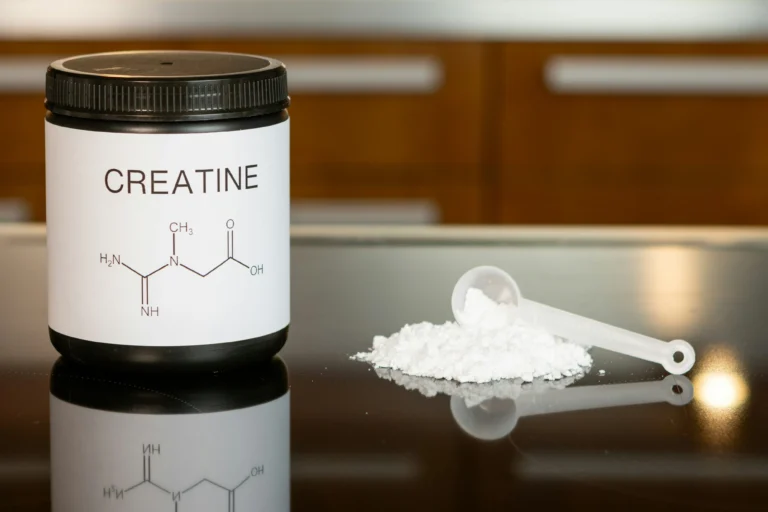
Before we get into the how, let’s talk about the what. Creatine is a naturally occurring compound found in small amounts in red meat and fish — and also produced by your liver and kidneys. It’s stored primarily in your muscles as phosphocreatine, which acts as a rapid energy reserve during short, explosive efforts like heavy lifts, sprints, or HIIT intervals.
When you supplement with creatine, you increase your muscles’ phosphocreatine stores, which allows you to push harder, recover faster between sets, and ultimately build more muscle over time. It’s one of the most researched supplements in sports science history — and the evidence is overwhelmingly in its favor.
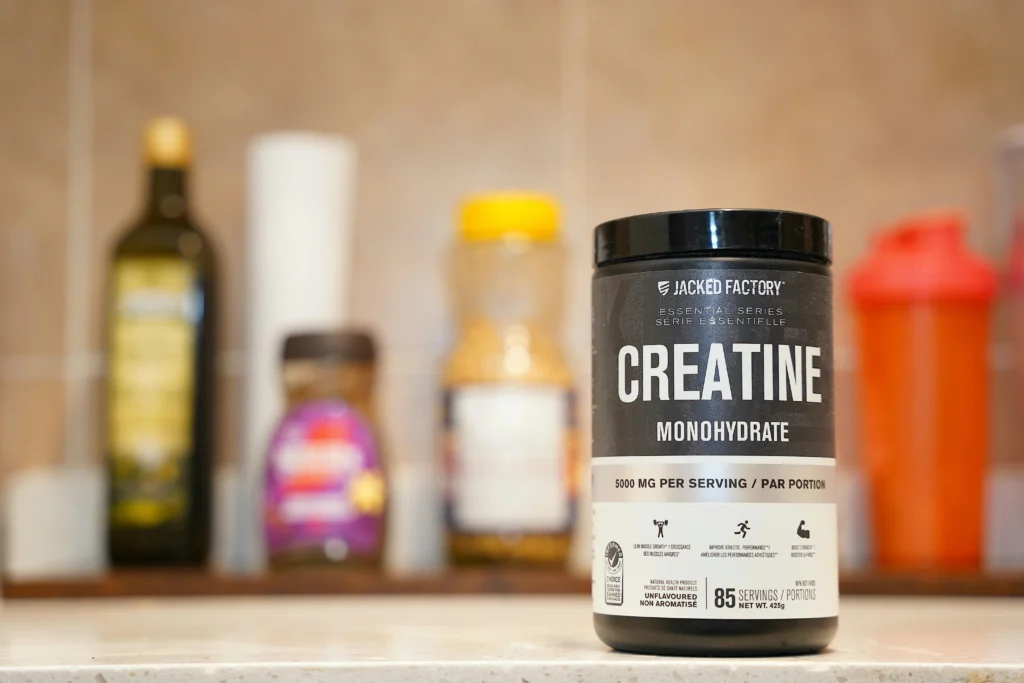
Pro Tip: Creatine monohydrate remains the gold standard. It’s the most studied form, the most affordable, and the most effective. Don’t let flashy marketing steer you toward fancier — and pricier — alternatives.
What Is the Loading Phase — and Why Skip It?
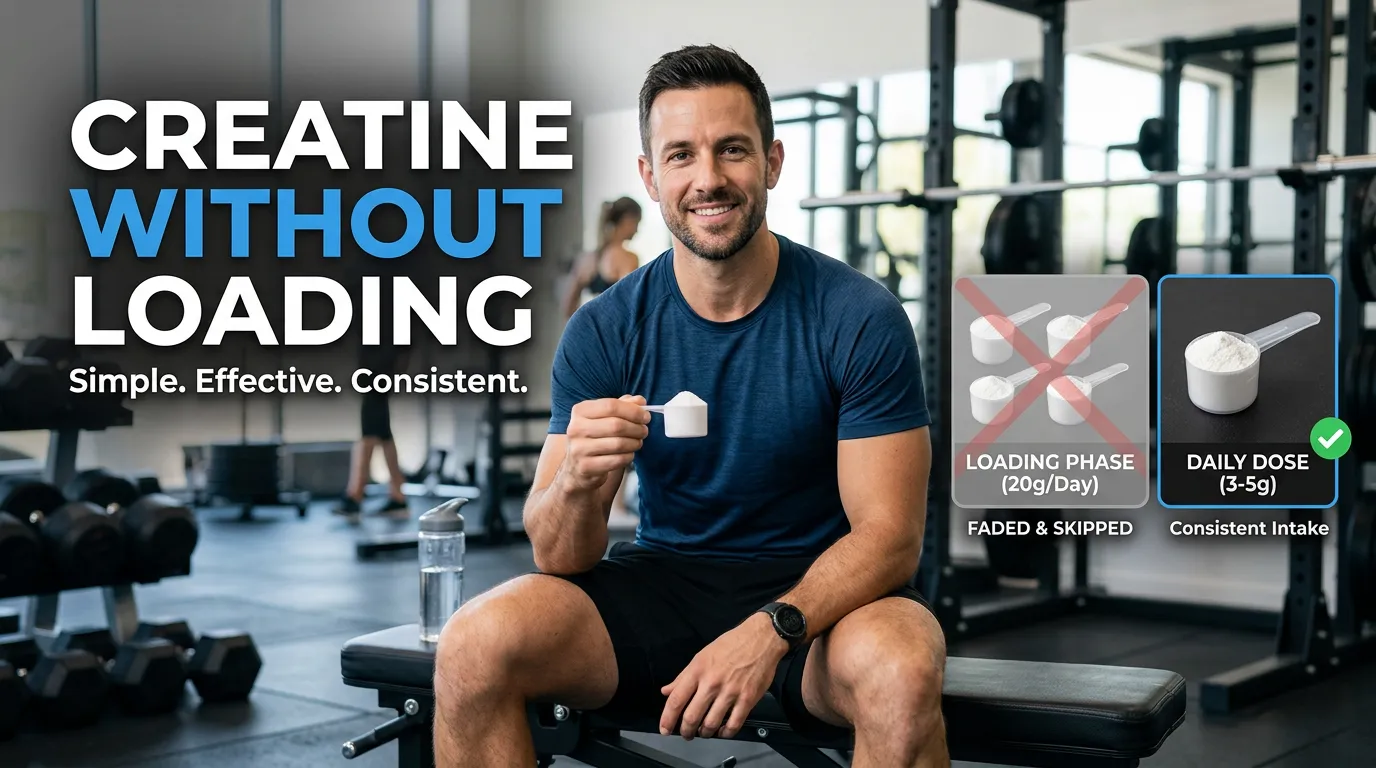
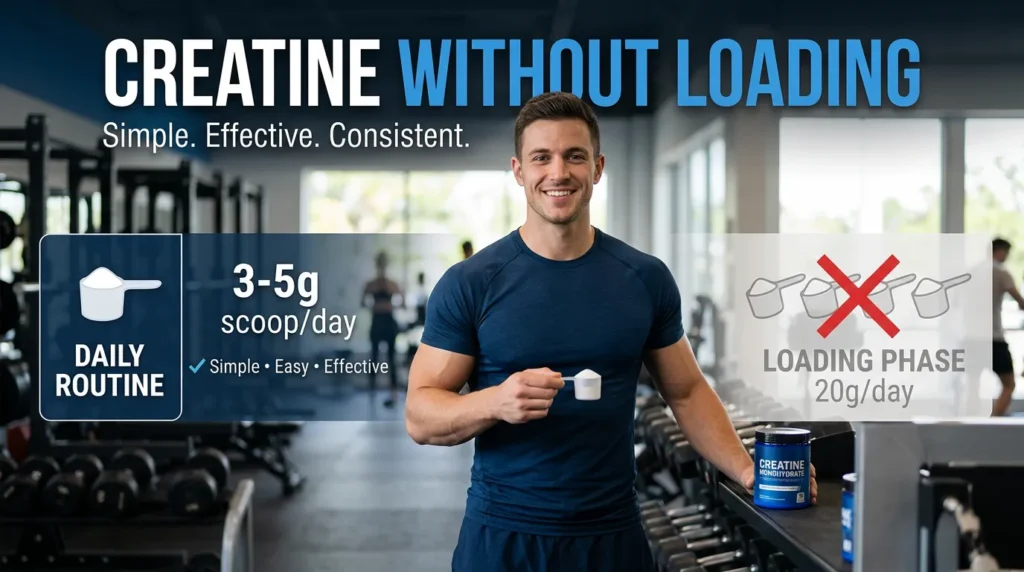
The loading phase typically involves taking 20 grams of creatine per day (split into four 5g doses) for 5–7 days. The idea is to saturate your muscles with creatine as fast as possible — think of it like force-filling a tank.
It does work. But it comes with real trade-offs:
- Digestive discomfort and bloating are common side effects
- Rapid water retention can make you feel puffy rather than powerful
- Managing four doses a day is easy to forget or mess up
- The end result is identical to the no-load method — it just takes a few more weeks
If you can wait an extra 2–3 weeks to reach full saturation, you lose nothing by skipping the loading phase. That patience pays off in comfort, simplicity, and for many athletes, a noticeably better overall experience with the supplement.
How to Take Creatine Without Loading Phase: The Simple Protocol
This is the part you came for — and the good news is, it’s refreshingly uncomplicated.
The Standard Maintenance Dose
Take 3 to 5 grams of creatine monohydrate every single day. That’s it. No cycling. No complicated timing windows. No stacking required.
At this rate, your muscles will reach full saturation in approximately 3–4 weeks. You’ll start noticing increased workout performance — an extra rep here, a little less fatigue there — as your phosphocreatine levels climb toward their ceiling.
When to Take It
Timing is less critical than consistency, but there is a slight edge to taking creatine post-workout. Research suggests that pairing creatine with a meal rich in carbohydrates and protein — or a post-workout shake — may improve uptake slightly due to insulin’s role in nutrient transport.
On rest days, simply take it with any meal. The key is making it a daily habit so you never miss a dose. I personally mix mine into my morning protein shake on rest days and keep it near my gym bag on training days — out of sight, out of mind becomes in sight, in habit.
How to Mix It
- Dissolve in 8–12 oz of water, juice, or a protein shake
- Stir or shake thoroughly — creatine can clump if left sitting
- It’s tasteless and virtually odorless, so it won’t ruin any drink
- Avoid mixing with strongly acidic drinks long-term, as prolonged acid exposure may degrade creatine
Benefits of Going Without the Loading Phase
Beyond the obvious simplicity, skipping the loading phase has some specific advantages worth knowing:
Better Digestive Tolerance
High doses of creatine — especially 20g/day — can cause stomach cramping, bloating, and even diarrhea in sensitive individuals. The 3–5g daily approach is gentle on your gut and virtually eliminates these issues for most people.
Less Initial Water Retention
Loading causes a rapid influx of water into your muscle cells. This isn’t dangerous, but it can feel uncomfortable — and it can be discouraging for athletes who mistake it for unwanted weight gain. With the maintenance dose, water retention happens gradually and often goes completely unnoticed.
Long-Term Sustainability
Simple protocols are the ones you actually stick to. One dose, every day, consistently. That habit is worth more than any short-term saturation shortcut. I’ve been on a maintenance-only creatine protocol for years, and my results have been steady and progressive the entire time.
Same End Result
This deserves its own heading because it’s that important: studies comparing loading vs. non-loading protocols show the same level of muscle creatine saturation after approximately 28 days. The loading phase gets you there faster — but not better.
Common Mistakes to Avoid
Even with a simple protocol, a few pitfalls can slow your progress or reduce creatine’s effectiveness.
Being Inconsistent
Missing days frequently delays full saturation and blunts your results. Unlike supplements that work acutely (in a single dose), creatine is cumulative. Think of it like a savings account — every daily deposit matters, and every missed day is a small withdrawal.
Not Drinking Enough Water
Creatine pulls water into your muscle cells, which means your overall hydration needs go up. Aim for at least 2.5–3 liters of water per day while supplementing. Dehydration can also cause the muscle cramping that some people incorrectly blame on creatine itself.
Choosing the Wrong Form
Creatine HCl, buffered creatine, effervescent creatine… the supplement aisle is full of variations claiming superiority. None of them outperform plain creatine monohydrate in well-controlled research. Save your money and buy monohydrate.
Expecting Overnight Results
If you’re taking creatine without loading, give it a full month before evaluating. Expecting results in week one will leave you frustrated. Commit to the protocol, train hard, and let the science work on its timeline.
Practical Tips to Maximize Your Results
Creatine is a tool — not a shortcut. Here’s how to make sure it works as hard as you do:
- Pair creatine with progressive overload training — the supplement amplifies your effort, it doesn’t replace it
- Maintain adequate protein intake (0.7–1g per pound of bodyweight) to support muscle protein synthesis
- Prioritize sleep — creatine cannot compensate for chronic under-recovery
- Track your performance week over week so you can actually see the creatine working
- Buy creatine monohydrate in bulk (500g or 1kg) — the price per serving drops significantly and you’ll stay consistent longer
Frequently Asked Questions
How long does it take for creatine to work without a loading phase?
You’ll typically reach full muscle saturation in 3–4 weeks taking 3–5g daily. Most people begin noticing small performance improvements around the 2–3 week mark, with full benefits felt around week four.
Is creatine safe to take every day long-term?
Yes. Creatine monohydrate is one of the most extensively studied sports supplements in existence, with long-term safety profiles stretching back decades. Research consistently shows no adverse effects on kidney or liver function in healthy individuals. If you have pre-existing kidney disease, consult your doctor first.
Should I take creatine on rest days?
Absolutely. Creatine saturation is maintained through daily dosing — not just on training days. On rest days, take your 3–5g with any meal. Skipping rest days regularly will disrupt your saturation levels over time.
Can I take creatine with other supplements?
Yes — creatine pairs well with protein powder, BCAAs, and pre-workouts. There is some minor research suggesting very high-dose caffeine may slightly reduce creatine’s acute effectiveness, but typical pre-workout caffeine amounts are unlikely to cause a meaningful issue for most athletes.
Will creatine make me gain fat?
No. Any initial weight gain from creatine is due to increased intramuscular water retention — your muscles holding more water, which is part of what makes them more powerful. This is a functional change, not fat gain. Over time, the increased training capacity creatine enables will actually support a leaner body composition.
Final Thoughts: Simple Wins
The fitness world loves to overcomplicate things. Loading protocols, cycling schedules, timing windows — it can feel like you need a nutrition degree just to take a supplement. But taking creatine without a loading phase proves that the simplest approach is often the most sustainable and the most effective.
Take 3–5 grams daily, stay consistent, drink your water, and train hard. That’s the whole protocol. In four weeks, your muscles will be fully saturated, your performance will be noticeably improved, and you’ll have built a habit that compounds over months and years.
I’ve coached beginners who were intimidated by supplements and advanced athletes who overthought every detail — and the advice I give everyone is the same: keep it simple, stay consistent, and trust the process. Creatine is one of the few supplements where the science fully backs the hype. You just have to show up every day.
Now stop reading. Go take your creatine. 💪